
NFT basics
What Is NFT Minting? How It Works, Costs, and Risks
A complete beginner-friendly explanation of NFT minting, smart contracts, gas fees, metadata, mint stages, wallet signatures, and the risks to check before you mint.
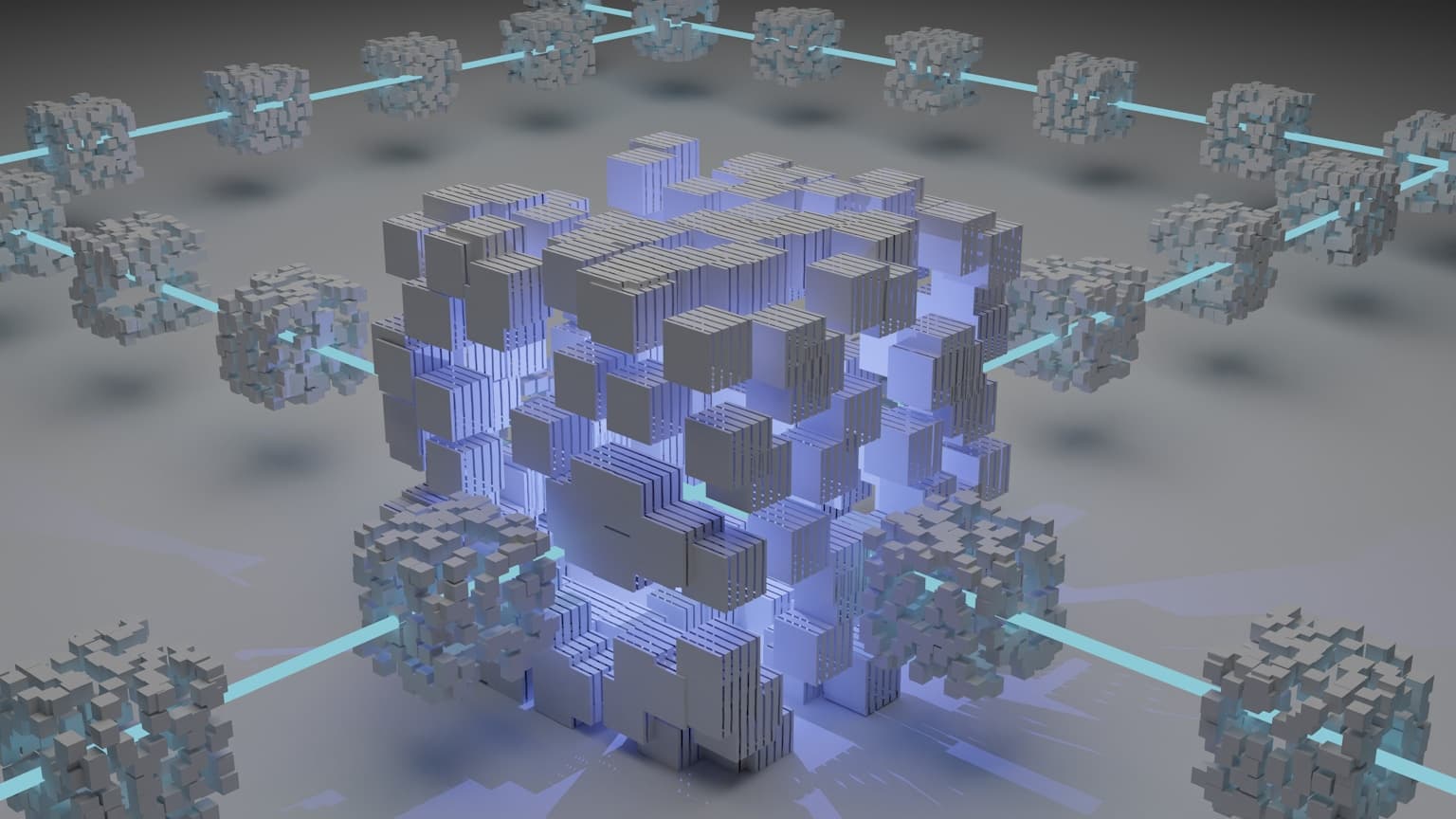
NFT minting turns a token specification into an on-chain record
NFT minting is the process of creating a new non-fungible token through a blockchain transaction. The transaction calls a smart contract, assigns a token identifier, records an owner, and emits an event that wallets, marketplaces, and block explorers can read. Before that transaction is confirmed, the NFT does not exist as an owned token on that network.
The word ‘mint’ is used for two related actions. A creator can deploy a collection and mint its first tokens, while a collector can mint from a public sale contract. In both cases, the blockchain records a new token. The interface may look like a normal checkout, but the wallet is signing a smart-contract instruction rather than a conventional card payment.
What actually lives on the blockchain
The token contract usually stores ownership, transfer rules, supply, and a reference to metadata. The image, animation, name, and attributes may be stored on decentralized storage, a permanent on-chain format, or a conventional server. These approaches have different durability and cost tradeoffs.
Read the collection documentation to understand whether metadata can change. A delayed reveal is normal for some drops: every token starts with placeholder metadata, then the project updates the reference after the sale. That mechanism can be legitimate, but it also means collectors initially rely on the creator to complete the reveal fairly.
- Contract: ownership, supply, and transfer logic
- Token ID: the unique identifier inside a collection
- Metadata: name, media, traits, and description
- Storage: on-chain, decentralized, or centrally hosted
- Marketplace indexer: reads the contract and displays the asset
Mint price, gas, and total transaction cost
A paid mint can require the listed token price plus a network fee. A free mint sets the token price to zero but still may require gas. The wallet should show an estimated network fee before confirmation. Fees change with network demand and with the amount of computation used by the contract.
Never send funds manually because a social account says the mint contract is congested. A normal mint happens through a contract call shown in the wallet. If the transaction details are unclear, cancel and verify the official contract through another source.
Public mint, presale, and allowlist stages
Collections often divide supply across several stages. An allowlist stage checks whether the wallet is eligible, sometimes through a cryptographic proof. A public stage removes that restriction. Prices, per-wallet limits, and start times can differ between stages, so a collector should verify the exact stage rather than relying on the collection's headline price.
A live NFT calendar helps organize those windows, but the contract remains the final source of truth. Check the connected network, collection address, amount, and receiving wallet immediately before signing.
A safe minting checklist
Use a dedicated wallet with limited funds, navigate from a verified project domain, inspect the transaction simulation, and review approvals after minting. Do not sign a message you do not understand, and never enter a seed phrase into a mint website. Missing a drop is cheaper than recovering from a compromised wallet.
- Confirm the blockchain network
- Match the contract address in two trusted places
- Review price, quantity, and gas
- Reject unexpected approval or transfer requests
- Keep long-term assets in a separate wallet
Frequently asked questions
What does minting an NFT mean?
It means creating a new non-fungible token through a blockchain transaction and assigning that token to an owner.
Is NFT minting the same as buying an NFT?
Minting creates the token from its collection contract. Buying usually transfers an NFT that already exists from another owner or marketplace listing.
Can a free NFT mint still cost money?
Yes. A zero-price mint may still require a blockchain network fee, commonly called gas.
More NFT mint guides
Educational content only. NFT mints involve smart-contract, market, and wallet-security risk. Nothing on RHMints is financial advice.