
Crypto culture
NFTs vs Meme Coins: Differences, Culture, Utility, and Risk
Compare NFTs and meme coins: fungibility, supply, ownership, liquidity, community culture, smart-contract risk, and why the two crypto markets often overlap.
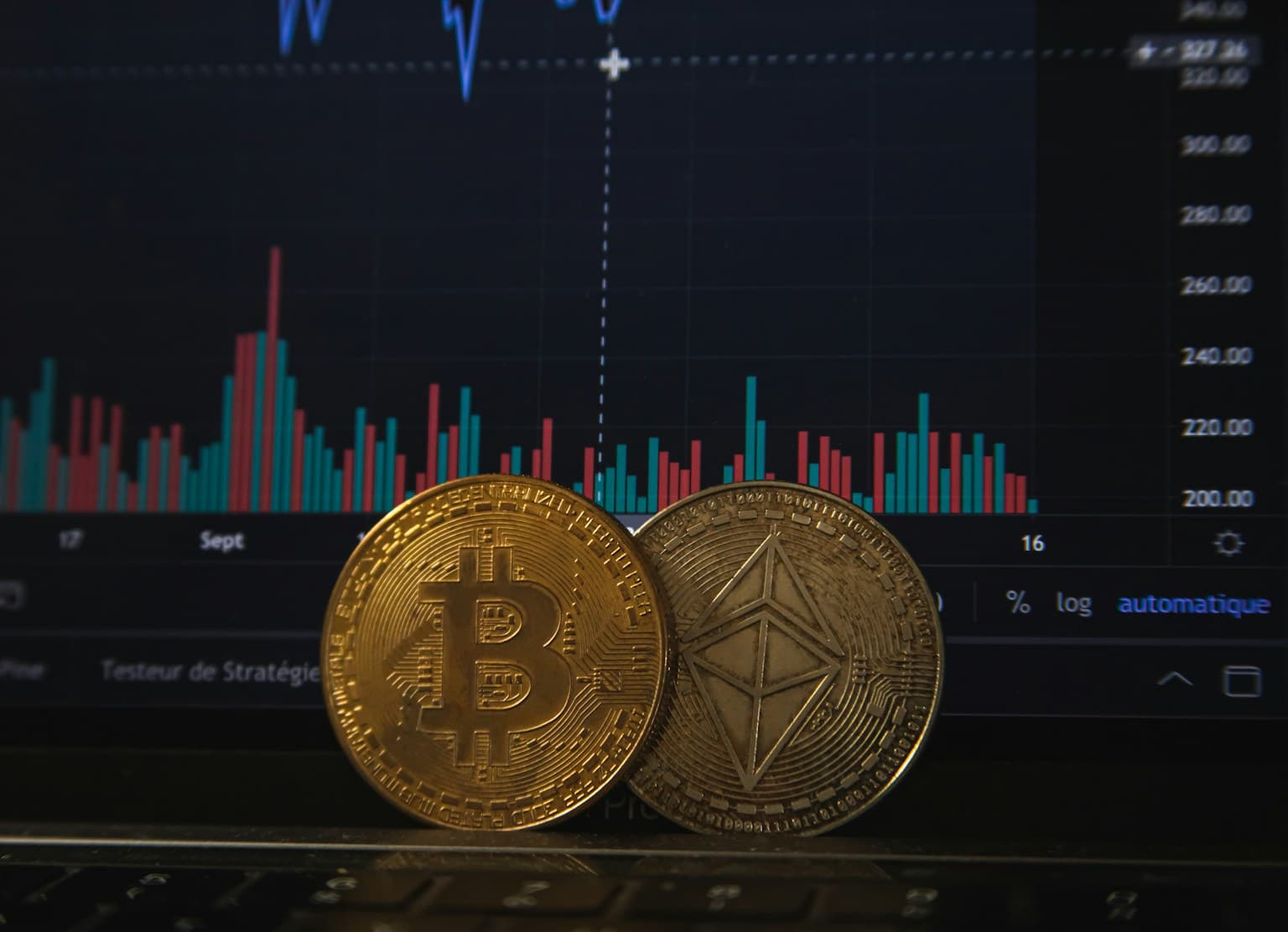
The simplest difference is fungibility
A meme coin is generally a fungible token: one unit is intended to be interchangeable with another unit of the same token. An NFT is non-fungible: each token has its own identifier and can carry distinct metadata, history, or traits.
That technical distinction shapes the market. Meme coins are commonly traded in quantities through liquidity pools or exchanges. NFTs are usually listed and purchased one item at a time, even when thousands belong to the same collection.
How value is discussed
Meme-coin markets commonly reference token price, market capitalization, circulating supply, liquidity, and trading volume. NFT markets reference floor price, listed supply, collection volume, rarity, provenance, and recent comparable sales. Both can be volatile, but the available exit liquidity can differ dramatically.
A floor price is only the lowest current asking price; it does not guarantee that every NFT can sell at that level. A meme coin's displayed market cap also does not mean the full supply could be sold at the current price. Market metrics require context in both cases.
- Meme coin: token liquidity, holder concentration, supply controls
- NFT: item liquidity, collection distribution, metadata and provenance
- Both: contract permissions, community attention, execution history
Why the cultures overlap
Both markets turn internet-native identity into an on-chain object. A meme coin can coordinate around a character or joke, while an NFT collection gives holders distinct visual objects tied to the same culture. Projects sometimes connect the two through holder rewards, token-gated access, or shared branding.
The overlap can be creative, but it also makes incentives harder to understand. A token distribution can change holder behavior, create regulatory questions, and shift attention from the original art or product toward short-term price movement.
Different liquidity and security risks
Meme-coin risks include concentrated supply, removable liquidity, transfer taxes, hidden mint powers, and fast-moving social manipulation. NFT risks include malicious mint approvals, mutable metadata, stolen art, thin item-level liquidity, and collection impersonation.
Smart-contract review, holder distribution, team controls, and wallet hygiene matter in both markets. Avoid guaranteed-return language and never let urgency replace contract verification.
A better way to compare them
Ask what the asset represents, how supply is controlled, where liquidity comes from, which rights holders receive, and what can change after purchase. The label—NFT or meme coin—does not answer those questions. The contract, distribution, and actual product do.
Frequently asked questions
Is an NFT a cryptocurrency?
Both use blockchain tokens, but an NFT is individually identifiable while ordinary cryptocurrency units are fungible and interchangeable.
Can an NFT project also have a meme coin?
Yes. A project can issue both, but each asset has separate supply, utility, liquidity, and legal considerations.
Are meme coins riskier than NFTs?
They have different risk profiles. Both can be highly speculative and exposed to contract, liquidity, concentration, and fraud risks.
More NFT mint guides
Educational content only. NFT mints involve smart-contract, market, and wallet-security risk. Nothing on RHMints is financial advice.